Since April, the IPCEI ME/CT community has continued to turn European cooperation...
EDITO
FROM COLLABORATION TO CONCRETE IMPACT
Since April, the IPCEI ME/CT community has continued to turn European cooperation into tangible technological and industrial progress. New demonstrators, manufacturing facilities and research results are emerging across the network. At the same time, connections between Workstreams, Universities, Research Organisations and other European initiatives are becoming increasingly visible.
The network is also investing in Europe’s next generation of microelectronics experts through new training and skills-development initiatives.
This tenth edition brings together the main developments shared by the IPCEI ME/CT community over the past few months.
The IPCEI ME/CT Team
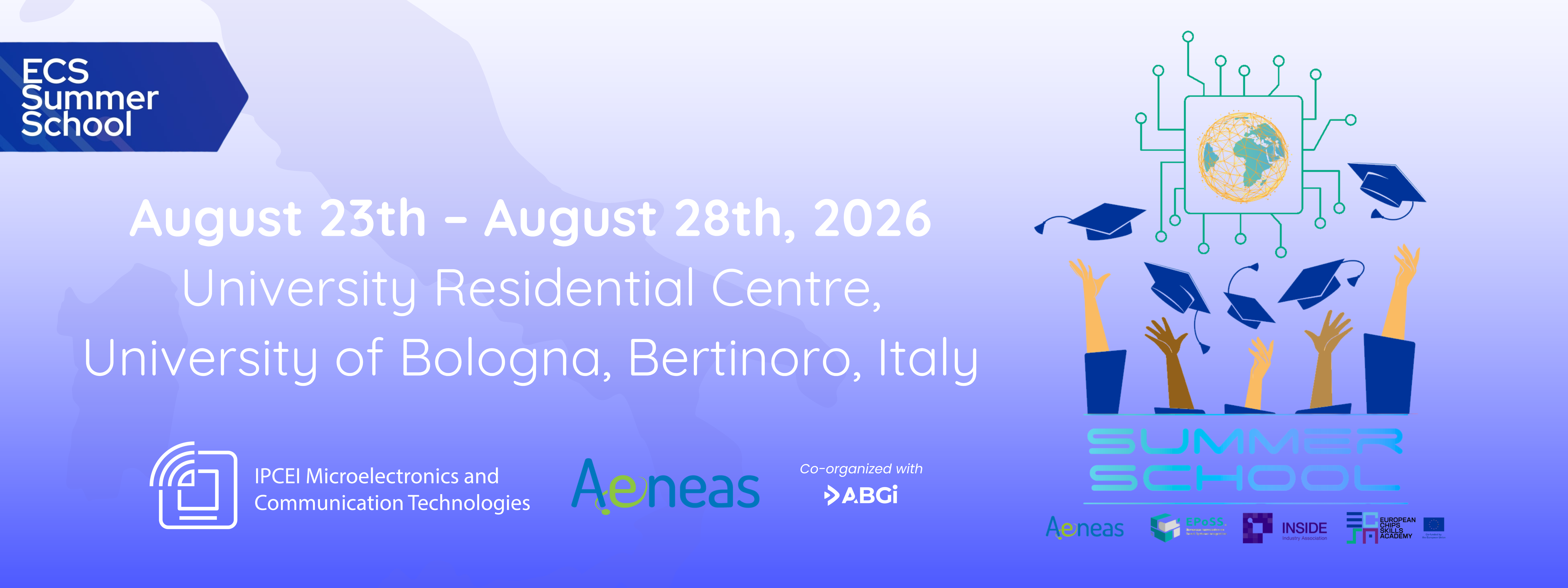
From 23 to 28 August 2026, 40 selected undergraduate students from across Europe will gather in Bertinoro, Italy, for an immersive week dedicated to microelectronics, semiconductors and smart systems.
The ECS Summer School 2026 is coorganised by AENEAS together with the European Chips Skills Academy, INSIDE Industry Association, EPoSS Association and IPCEI ME/CT.
Through academic lectures, industry-led sessions, demonstrations and exchanges with experts, participants will explore four key areas:
semiconductor technology;
integrated circuit design;
digital systems and embedded intelligence;
system integration.
The Summer School illustrates the network’s commitment to generating spillover effects beyond technological development by supporting skills, education and the next generation of Europe’s semiconductor talent.
From neuromorphic photonics and embedded automotive perception to photovoltaic production forecasting, Edge AI has emerged as a strong cross-workstream topic for the IPCEI ME/CT community.
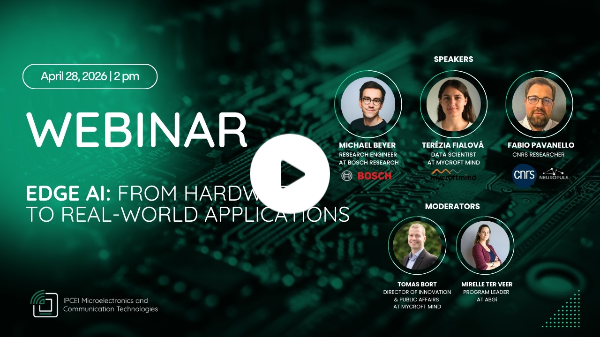
The webinar held on 28 April brought together three complementary perspectives:
Fabio Pavanello, CNRS / NEUROPULS, on secure and energy-efficient neuromorphic accelerators based on silicon photonics and phase-change materials;
Michael Beyer, Bosch Research, on adapting AI perception models to the constraints of real automotive hardware;
Terézia Fialová, Mycroft Mind, on moving photovoltaic production forecasting from cloud infrastructure to local edge devices.
The session demonstrated why successful Edge AI solutions need to be developed across the entire value chain, from hardware architectures and embedded systems to their deployment in industrial environments.
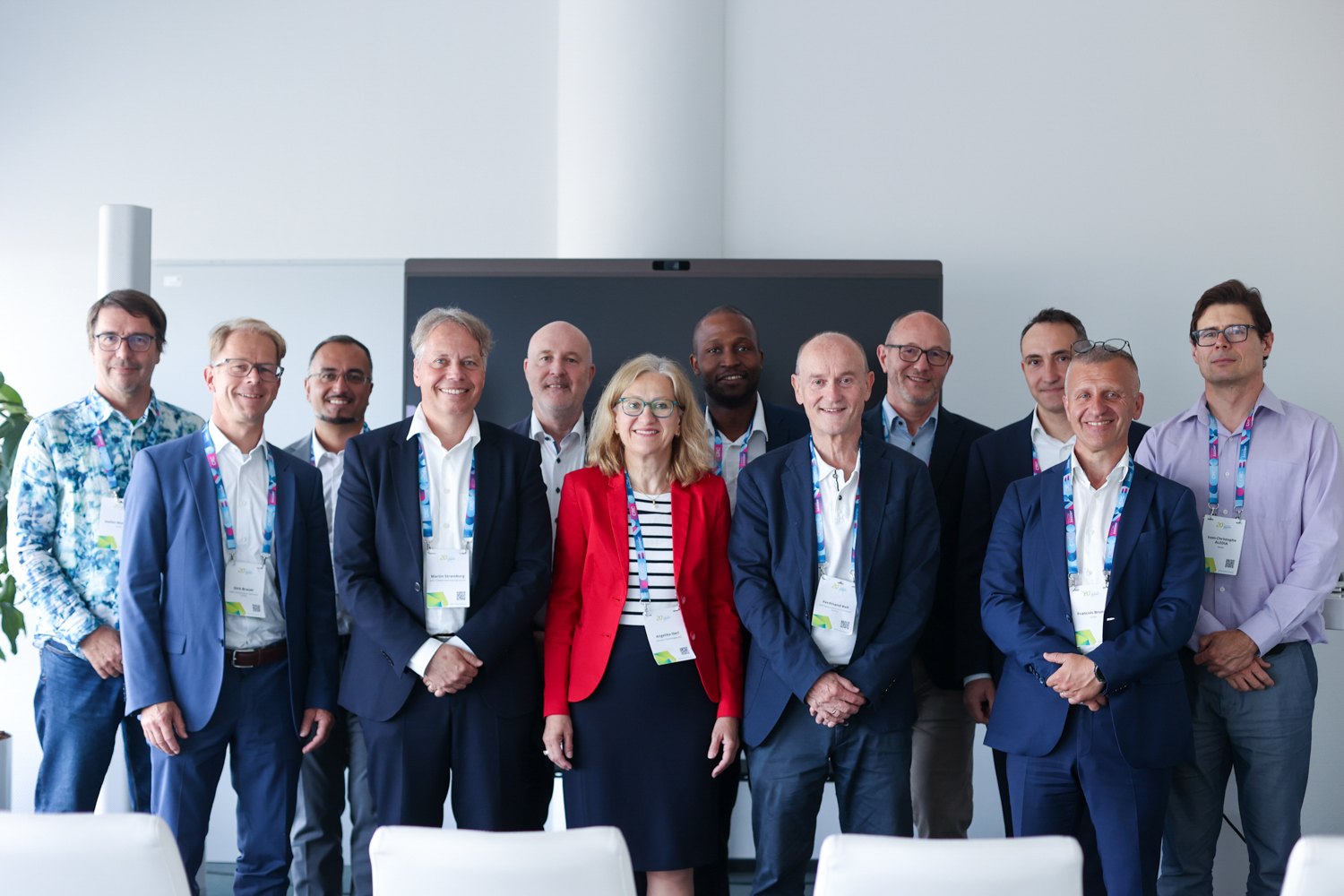
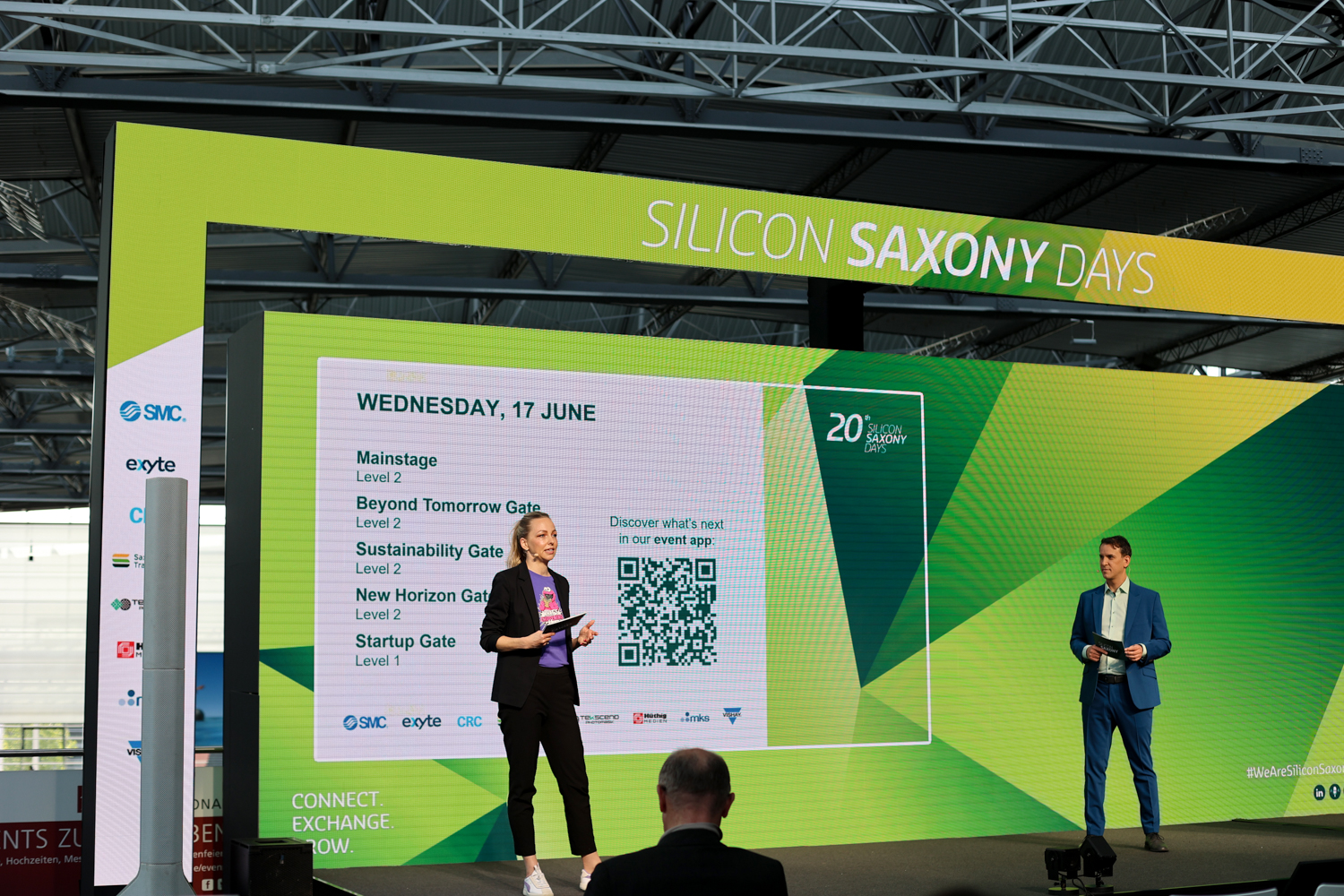
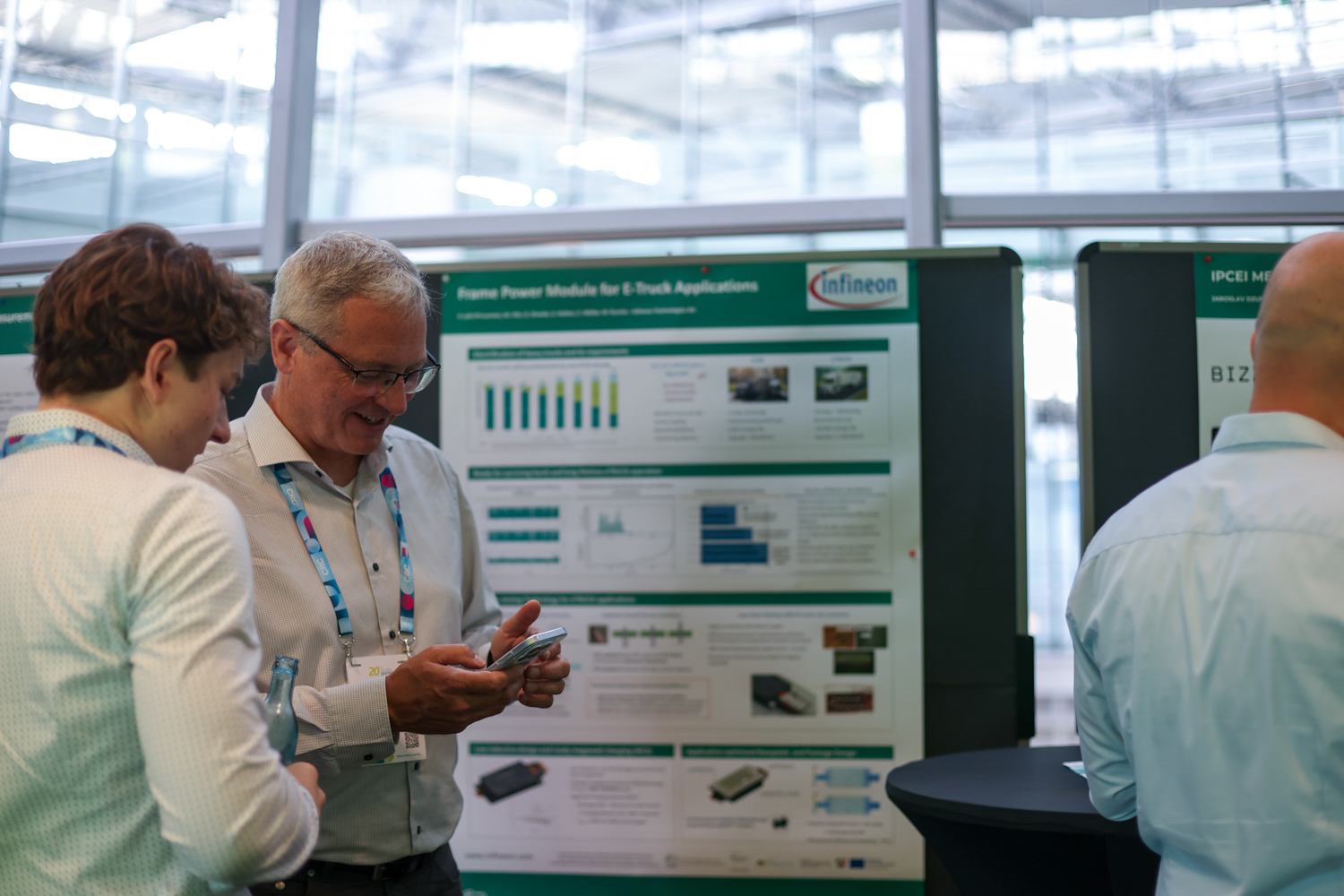
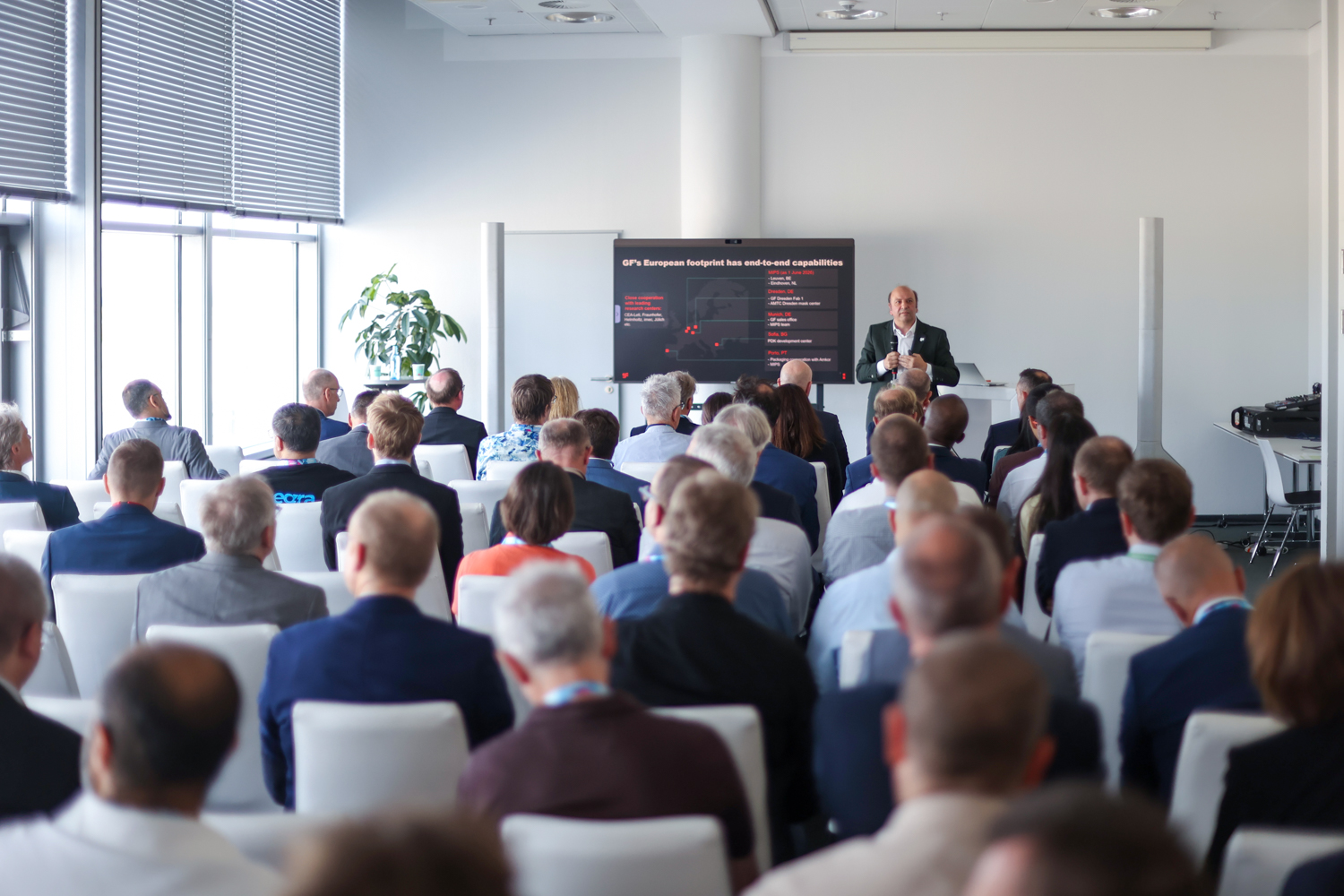
On 17 June, IPCEI ME/CT CONNECT 2026 took place alongside the 20th Silicon Saxony Days in Dresden. The event brought together companies, research organisations, public authorities and technology experts from across the SENSE, THINK, ACT and COMMUNICATE Workstreams.
From advanced metrology and low-power Edge AI materials to cybersecurity-by-design, 6G systems, SiC power technologies and optical interconnects, the programme reflected the diversity of technologies being developed within the network.
A dedicated spillover session also explored how results and knowledge developed within IPCEI ME/CT can generate wider benefits across Europe’s semiconductor ecosystem.
Wooptix has installed its first fully automated Phemet® 300 mm semiconductor metrology system at CEA-Leti in Grenoble.
The collaboration will support research into wafer-scale process signatures, nanotopography and advanced-packaging metrology. It represents an important step towards deploying new optical metrology capabilities in an industrial semiconductor research environment.
Levels 0 and 1 of the new KK3 factory at STMicroelectronics in Kirkop have officially been handed over.
The building is set to become an advanced manufacturing facility dedicated to semiconductor packaging and testing operations. The milestone reflects the continued development of Europe’s industrial semiconductor capacity through the IPCEI ME/CT framework.
Researchers from Infineon Technologies and the National Technical University of Athens have developed a compact dual-antenna module operating in the D-band.
The result, developed within the IPCEI ME/CT framework, was presented at IEEE AP-S/URSI 2026 and illustrates the potential of advanced antenna-in-package technologies for future sensing applications.
Elaphe Propulsion Technologies has completed its work within the IPCEI ME/CT MEEV project and presented two new technologies designed to improve electric-vehicle efficiency.
The results include a new generation of GaN-based power electronics and a GaAs-based concept with the potential to recover excess heat and convert it into electrical energy.
These developments could help reduce losses and cooling requirements while enabling smaller, lighter and more efficient powertrain components.
The ARCHIMEDES project has highlighted its clustering activities with IPCEI ME/CT through a new video featuring Cathy Batisson from Renault Group, also speaking on behalf of Cosimo Musca from STMicroelectronics.
The collaboration aims to foster cross-fertilisation between ARCHIMEDES’ work on power-electronics sustainability and reliability and the industrial and technological objectives of IPCEI ME/CT.
It demonstrates how European initiatives can share knowledge, connect communities and increase their collective impact.
Europe’s technological sovereignty depends not only on infrastructure and innovation, but also on its ability to develop and retain semiconductor skills. Over the past few months, Infineon Technologies Austria welcomed more than 70 students from institutions in Austria, Hungary and Italy.
Since the beginning of the programme in 2024, 14 visits have brought more than 400 European students closer to semiconductor technologies, manufacturing processes and career opportunities.
In Serbia, the DDC Laboratory at the University of Belgrade is also collaborating with Infineon on master-level research and multi-year scholarships, particularly in power electronics, electric-vehicle traction systems and grid-connected converters.
Together with the ECS Summer School, these initiatives demonstrate how the IPCEI ME/CT ecosystem is contributing to the development of the knowledge and skills needed for Europe’s semiconductor future.
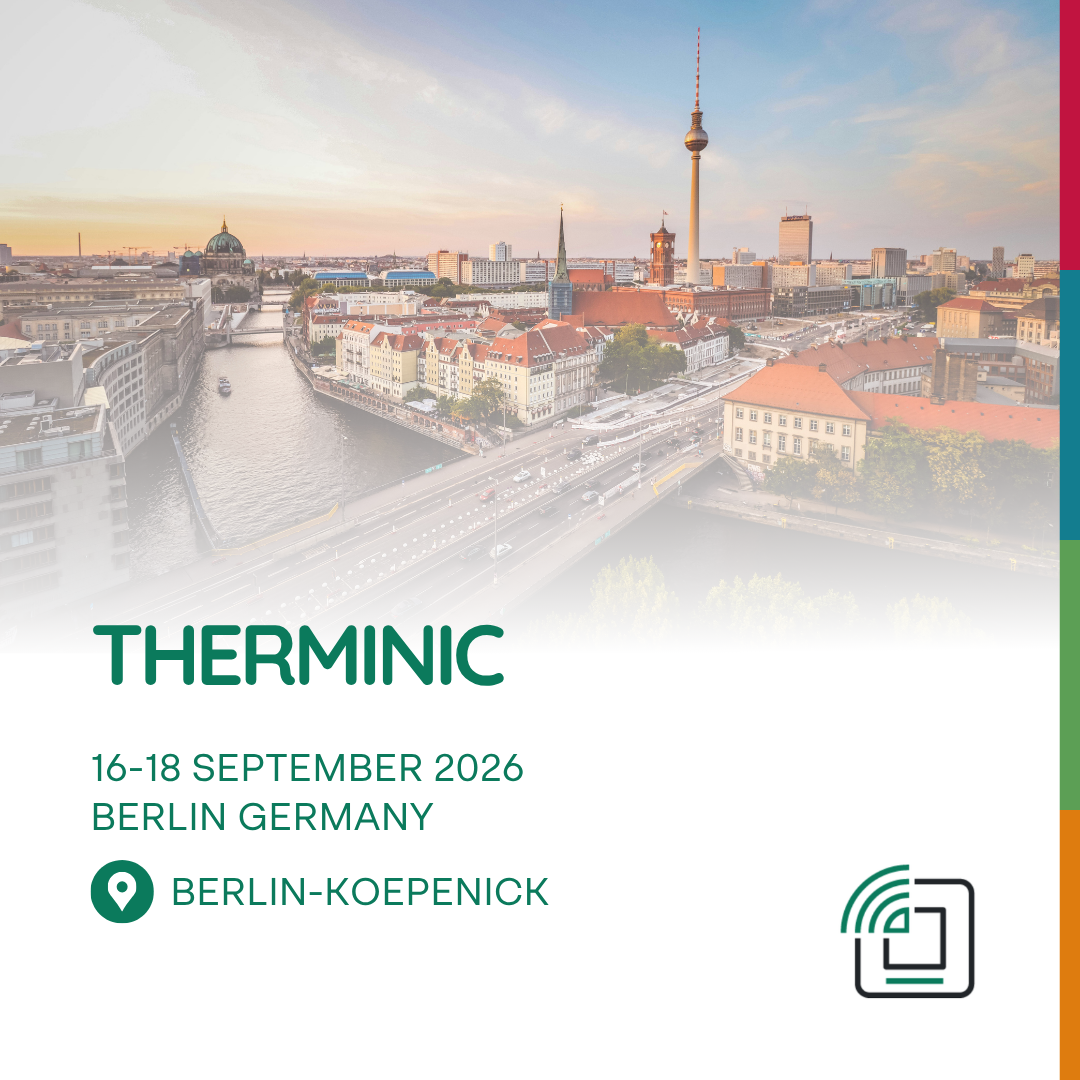
The next General Assembly will bring together participating entities, Member States and the IPCEI ME/CT governance bodies.
Further information regarding registration and the programme will be shared directly with the community.
Malta Enterprise, Malta’s economic development agency, is the host organisation of the IPCEI ME/CT General Assembly 2026. The agency supports investment, innovation and business growth in Malta and is working closely with the IPCEI ME/CT community and its partners to deliver the event.
Your projects and achievements are what drive the IPCEI ME/CT ecosystem forward.
If your team has reached a milestone, published results or organised an event, we would be delighted to highlight it through our communication channels.
The ABGi team is always happy to support the visibility of your work.