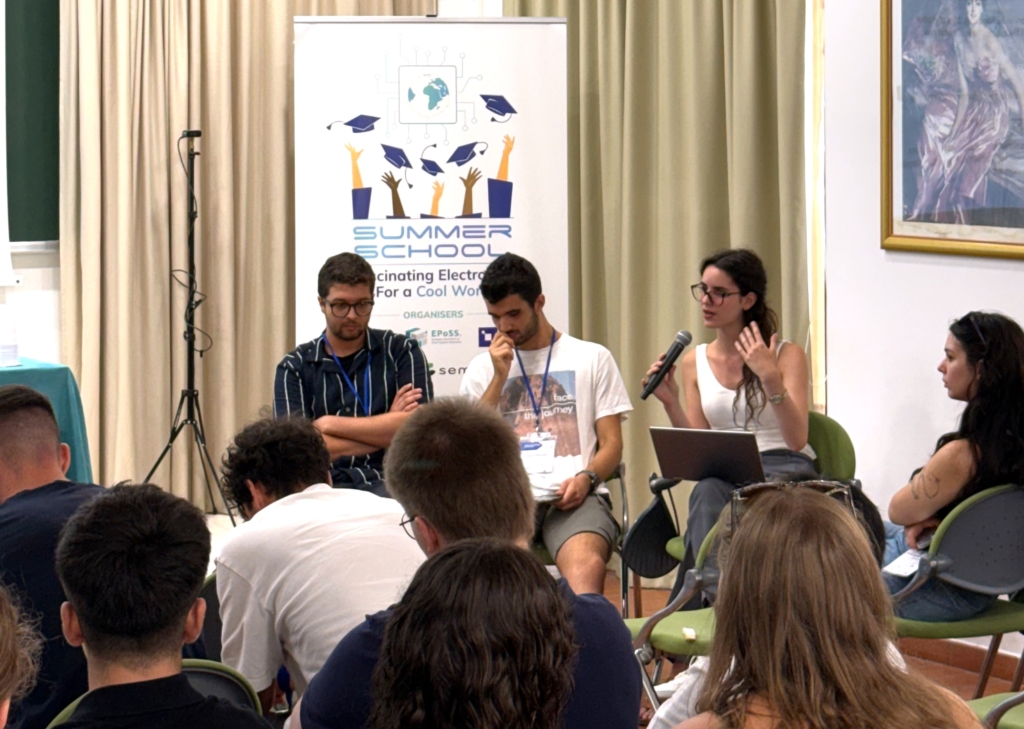
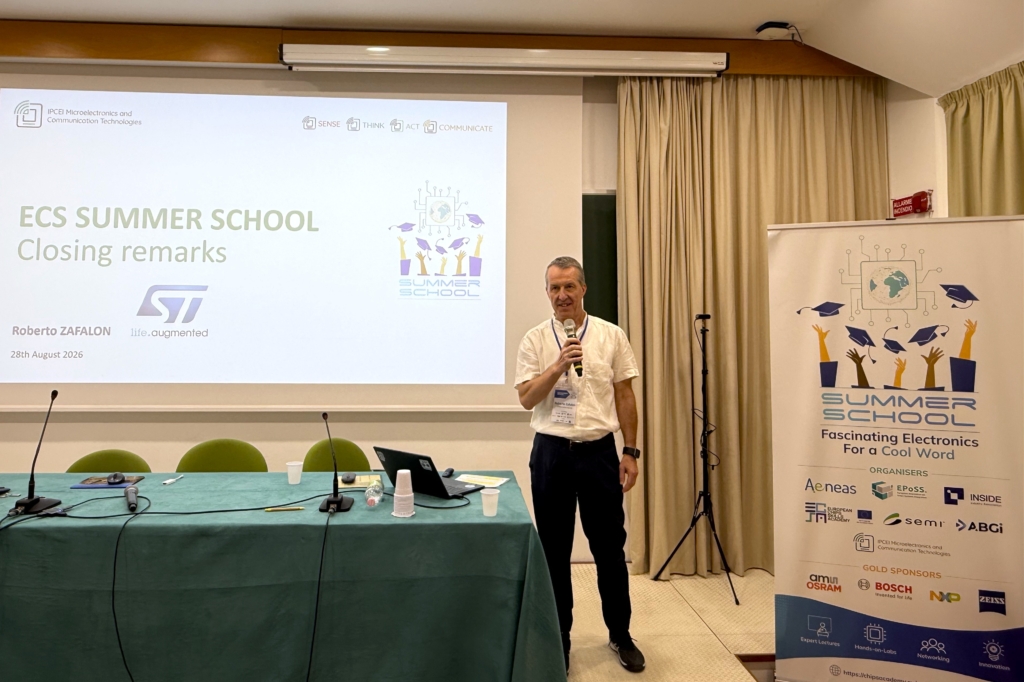
Last week, 40 students from universities across Europe came together in Bertinoro, Italy, for the 2026 ECS Summer School — a week where microelectronics knowledge, hands-on experience and European collaboration took centre stage.
From 23 to 28 August, the University Residential Centre of Bertinoro hosted the ECS Summer School 2026, bringing together selected STEM students with experts from leading European companies, universities and research organisations. Co-organised by AENEAS, EPoSS, INSIDE Industry, SEMI Europe on behalf of the European Chips Skills Academy, and ABGi France on behalf of IPCEI ME/CT, the initiative offered a unique opportunity to discover the breadth of Europe’s Electronics Components and Systems ecosystem.
From Moore’s Law to physical AI
The programme reflected the extraordinary diversity of today’s microelectronics landscape.
The week opened with the foundations of semiconductor technology, exploring topics ranging from Moore’s Law and semiconductor fabrication to “More than Moore” technologies, steep-slope transistors and silicon quantum computing. Students also stepped into a virtual cleanroom and took part in a fabrication serious game, turning concepts into practical experience.
The programme then moved from chips to systems. Sessions covered IC design, MEMS, printed technologies, bio-based devices, integrated microsystems and cyber-physical systems, before students tackled hands-on activities including MEMS work and the construction of a connected weather station.
The final technical day looked towards the next generation of intelligent systems, with discussions on edge intelligence, physical AI and mobile robotics. It was a powerful reminder that Europe’s semiconductor ecosystem extends far beyond the chip itself — connecting technologies, disciplines and applications across the entire value chain.
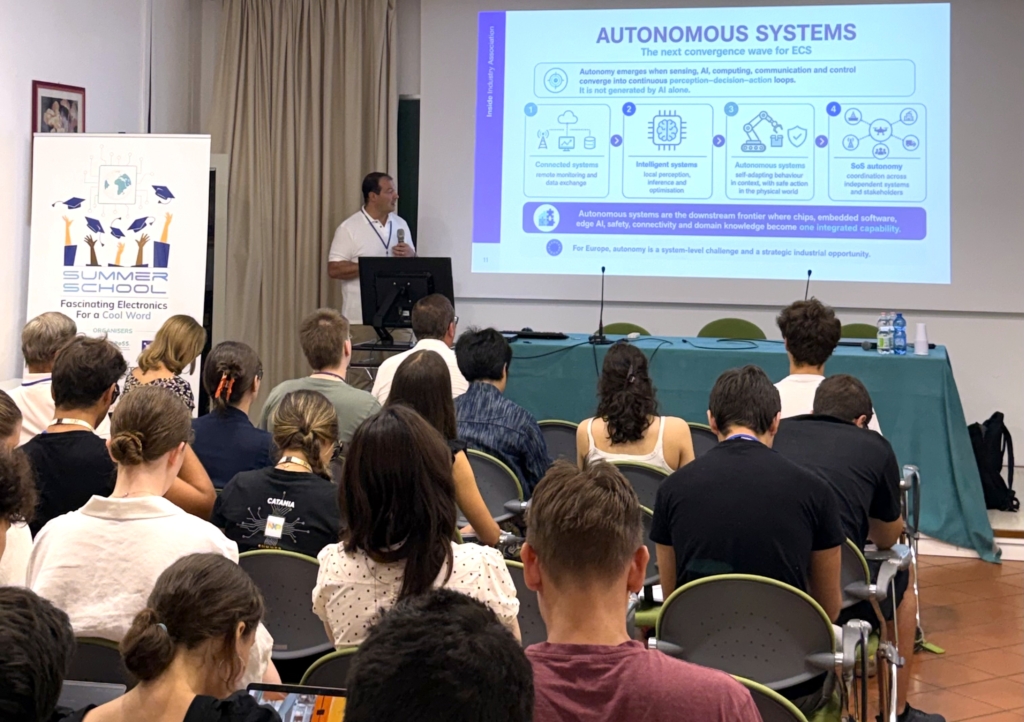
Europe’s semiconductor community in one room
Perhaps the most distinctive feature of the ECS Summer School was its European dimension.
Students arrived from universities across Europe, while speakers represented organisations including ASML, CEA-Leti, STMicroelectronics, Bosch, Infineon Technologies, ETH Zürich and leading European universities and research centres. Company corners from Bosch, ams OSRAM, NXP Semiconductors and ZEISS , gold sponsors of this edition, also gave participants an opportunity to meet engineers, explore technologies and ask questions about careers in the sector.
And the exchanges went well beyond lectures.
A dedicated career session brought together professionals from across the European microelectronics landscape to share their experiences and advice. For students considering their future in semiconductors, these conversations offered something that no textbook can provide: a direct connection with the people building Europe’s technology ecosystem today.
Building skills — and connections — for Europe’s future
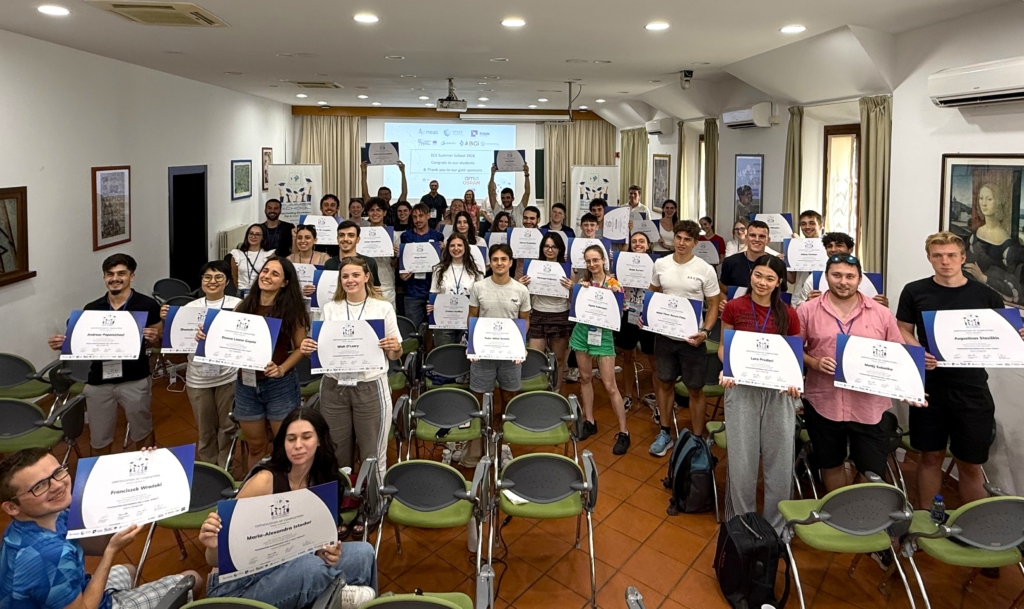
The week concluded with a debate on the geopolitical environment and its implications for the ECS sector, including questions around export controls, supply-chain resilience and Europe’s strategic choices. Students then received their graduation certificates, marking the end of an intense week of learning and exchange.
But the real outcome of the ECS Summer School is likely to last much longer than six days.
Europe’s ambitions in microelectronics depend not only on investment in technologies and infrastructure, but also on developing the people who will design, manufacture, integrate and innovate around them. Bringing students, academia, research and industry together across national borders is therefore an essential part of building a stronger European semiconductor ecosystem.
As the 40 participants return to their universities, they take with them new technical knowledge, a broader view of the ECS value chain — and, importantly, a network of peers and professionals spanning Europe.
From Bertinoro, the message is clear: Europe’s microelectronics future is being built not only in fabs and laboratories, but also through the connections made between the people who will shape it.