
The Republic of Slovenia continues to showcase its innovation and technological leadership within the framework of the Important Project of Common European Interest in Microelectronics and Communication Technologies (IPCEI ME/CT). Two Slovenian companies, Elaphe and Beyond Semiconductor, recently revealed groundbreaking advancements that highlight the transformative potential of European collaboration in microelectronics and sustainable mobility.
Elaphe: Driving the Future of Electric Vehicles
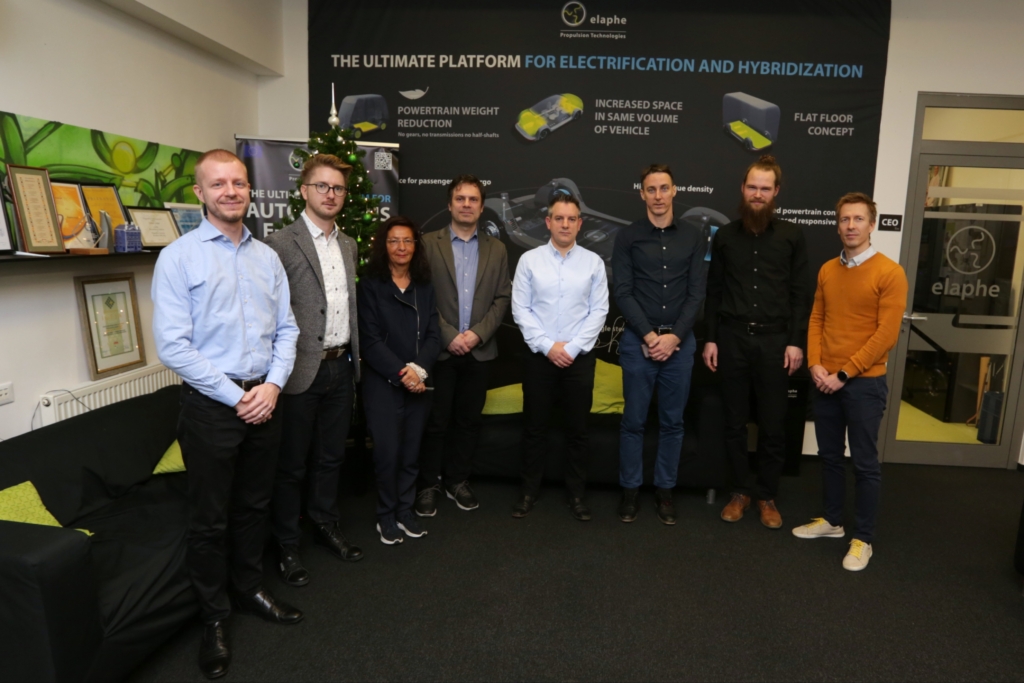
Elaphe, a leader in in-wheel motor technology, recently announced its active role in the IPCEI ME/CT during a press conference. The event featured two major projects poised to revolutionize energy efficiency and sustainability in electric vehicles and beyond:
1. Power Electronics (SiC/GaN):
This project focuses on advancing motor control systems for electric vehicles using silicon carbide (SiC) and gallium nitride (GaN) technologies. These materials are known for their high efficiency and durability, offering several advantages over traditional silicon-based solutions. By reducing energy loss during vehicle operation, this innovation enhances driving range and battery longevity—key factors for the widespread adoption of electric vehicles.
Why it matters: Traditional electric vehicle systems encounter significant energy losses in power conversion, which limits efficiency. By leveraging SiC and GaN, Elaphe aims to create systems that not only boost performance but also reduce the environmental footprint of EV production and operation.
2. Energy Converters (GaAs):
Another innovative initiative from Elaphe focuses on the development of energy converters using gallium arsenide (GaAs). These converters are designed to transform excess heat, often wasted in industrial and vehicular systems, into usable energy. This technology has the potential to significantly reduce energy waste across industries while contributing to broader energy efficiency goals.
A pivotal moment: Elaphe’s co-founder, Gorazd Lampič, emphasized the critical nature of these projects in meeting the demands of major original equipment manufacturers (OEMs) and advancing the automotive industry’s commitment to sustainability. “These innovations are not just technical advancements; they’re strategic solutions addressing the global need for greener, more efficient transportation,” he said.
Beyond Semiconductor: Redefining RF Signal Processing
In parallel, Beyond Semiconductor is making significant strides in radio frequency (RF) signal processing through its CONPARF project. This initiative is focused on developing RF filters integrated with digital logic on a single semiconductor chip—a groundbreaking approach that could redefine the industry standard.
The challenge with traditional RF filters:
Current RF filters, commonly used in communication systems to isolate specific frequencies, are typically made of piezoelectric materials. While effective, these materials present limitations in terms of integration with advanced semiconductor technologies like CMOS (Complementary Metal-Oxide-Semiconductor).
The CONPARF project goals:
- Demonstrating feasibility: Beyond Semiconductor aims to develop a programmable RF filter structure within CMOS technology, offering an alternative to piezoelectric-based filters.
- Performance evaluation: By simulating and testing these filters on manufactured chips, the project ensures robust and scalable solutions.
- Integration possibilities: A major milestone will be the integration of these filters with general-purpose processors, including safety functions—a critical feature for modern digital and communication devices.
Broader implications: This innovation could significantly simplify the design and manufacturing processes of advanced communication systems, paving the way for more compact, efficient, and versatile devices.
A Shared Vision for European Innovation
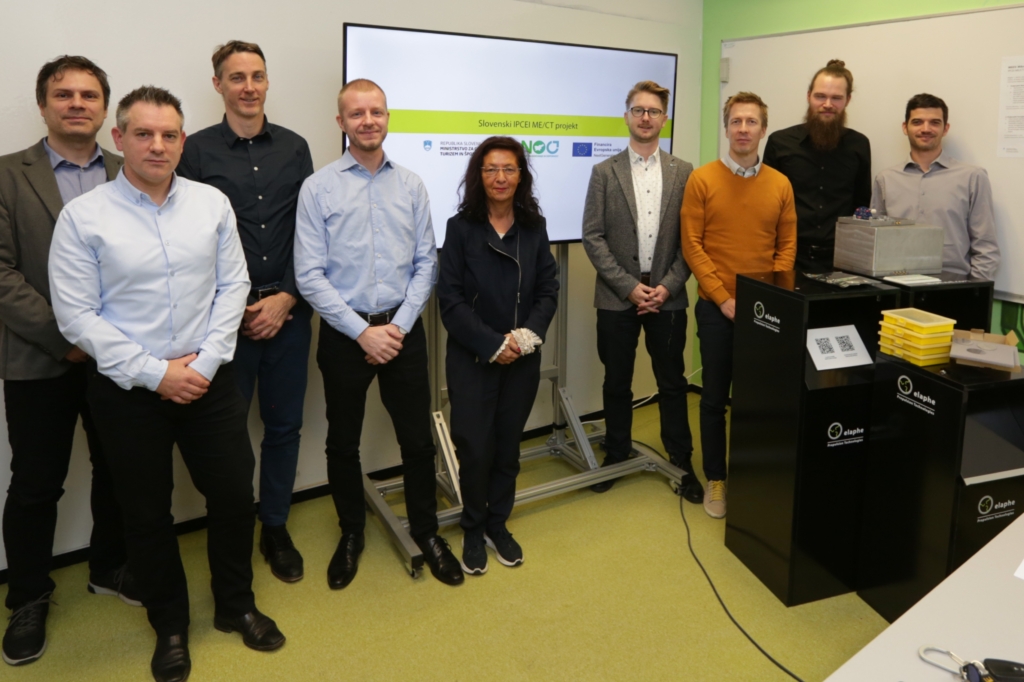
Both Elaphe and Beyond Semiconductor are part of a larger IPCEI ME/CT network comprising 68 projects across 14 EU member states. This ecosystem fosters collaboration among companies, research institutions, and governments, driving innovation in key sectors like microelectronics, communication technologies, and sustainable mobility.
The IPCEI ME/CT framework is co-funded by the European Union and its member states, underlining the shared commitment to strengthening Europe’s technological sovereignty and addressing global challenges like climate change and digital transformation.
Why This Matters for Europe’s Future
The advancements from Slovenia highlight the tangible benefits of collaborative European innovation. As countries work together under initiatives like IPCEI ME/CT, they pool resources, knowledge, and expertise to tackle complex challenges. These projects exemplify how targeted investments in microelectronics can lead to practical solutions for energy efficiency, sustainable mobility, and advanced communication systems.
For the general public:
Even for those unfamiliar with technical details, these innovations translate to meaningful real-world impacts:
- Greener transportation: Reduced energy loss in electric vehicles means more sustainable options for consumers and lower overall emissions.
- Enhanced connectivity: RF filter advancements lead to faster, more reliable communication technologies that benefit everyday life.
Conclusion
The breakthroughs from Elaphe and Beyond Semiconductor exemplify Slovenia’s role as a key player in Europe’s innovation landscape. Through their participation in IPCEI ME/CT, these companies are not only advancing technology but also contributing to a shared vision of a greener, more connected future for all.
The journey of Elaphe and Beyond Semiconductor serves as a reminder of the power of collaboration, the importance of sustainability, and the endless possibilities of innovation. Together, they’re helping shape a future where technology serves humanity and the planet alike.